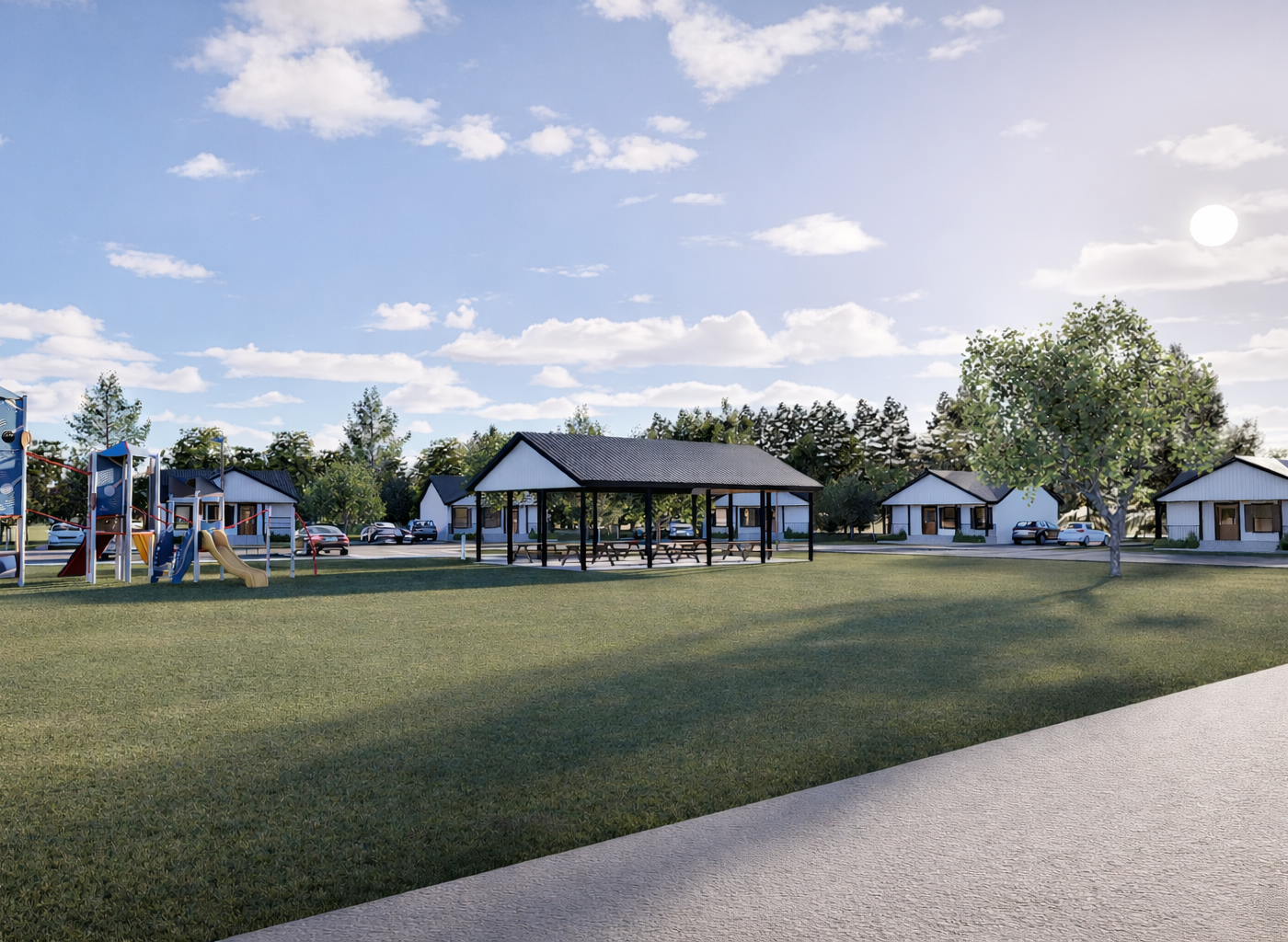
Every few weeks somebody sends me a link to a field with a sign on it and asks when the lots go on sale. Usually the honest answer is not this year, and sometimes not next year either. The sign means an application exists. It does not mean there are lots. The distance between a cornfield and a recorded plat with addresses and water service is longer than almost anyone expects, and understanding that sequence is the difference between waiting patiently for the right lot and chasing something that is three approvals away from being real.
Here is how a residential project generally moves in southeastern Wisconsin. Procedures vary by municipality, so treat this as the shape of the process rather than a guaranteed order of operations in any one village.
The sequence
- Control of the land. A developer buys the parcel or ties it up under an option or a contingent offer. Contingent is extremely common, because nobody wants to own a field outright while finding out whether the municipality will allow houses on it.
- Concept and pre application meetings. Informal conversations with planning staff. A rough layout gets drawn, redrawn, and drawn again. Staff will say what is going to be a problem before anything is filed.
- Comprehensive plan and zoning. The parcel has a future land use designation in the municipality’s comprehensive plan and a current zoning district. If the project does not match, the developer needs a plan amendment, a rezoning, or both. If the land is outside the municipal boundary, annexation may come first.
- Preliminary plat. This is the first document that looks like a subdivision. Lot lines, street layout, outlots, easements, stormwater areas. It goes to the plan commission and then the governing body, and in Wisconsin it also goes out to state and county agencies for review.
- Developer’s agreement and engineering. The construction plans get approved and the developer signs an agreement with the municipality covering who builds what, who pays for it, and what security is posted.
- Final plat and recording. Approved and recorded with the county Register of Deeds. Only at this point do legally conveyable lots exist.
- Improvements. Grading, utilities, base course, curb. Lots can sometimes be sold before improvements are complete, with closing tied to a milestone.
- Lots for sale. Either to builders in bulk or to the public, depending on how the developer structured it.
A sign in a field means somebody applied. A recorded final plat means lots exist. Those are very different events and often years apart.
What plan commission approval does and does not mean
Plan commission is usually a recommending body. It reviews and then forwards a recommendation to the village board or common council, which takes the actual action. So a headline saying a project was approved by plan commission often means it cleared one step of several.
Approval also tends to come with conditions. Conditions can be minor, like revising a landscape detail, or substantial, like reducing the lot count, redesigning an intersection, or dedicating additional land. A project approved with conditions is not finished, it is instructed.
What slows projects down
In rough order of how often I see it:
- Infrastructure capacity. Sewer and water have to reach the site and the system has to have room. Extending a main is expensive and sometimes requires a lift station or a tower, which can mean the project waits on a separate municipal capital project.
- Stormwater. Detention has to be designed and sized, and if the site drains poorly the pond takes developable acreage out of the plan, which changes the economics.
- Wetlands and environmental corridor. Delineation takes a season and the findings can redraw the layout. Mapped environmental corridor is generally undevelopable.
- Traffic and access. A county trunk or state highway frontage means a second agency reviews the access points, and turn lanes may be required.
- Who pays. Impact fees, special assessments, oversizing reimbursement, and sometimes a tax increment district. Negotiating the developer’s agreement can take months on its own.
- The calendar. Plan commission meets on a fixed schedule. One missed submittal deadline is a month. Three of those is a construction season.
- Weather. You cannot pave in February here. A project that misses fall often restarts in spring.
If you own next door
Owners near a proposed project ask me what they can do, and the practical answer is show up early. Notices go out for public hearings, usually to owners within a set distance. The useful time to comment is at plan commission and at the governing body meeting, before conditions are locked in. Comments about traffic, drainage, buffering and connectivity get engaged with. The plan commission packet is public and typically posted online before the meeting, and reading it is how you know what is actually being proposed rather than what the rumor says.
Where I stop
I can read a preliminary plat, tell you what the lot count and the street layout mean for you, and tell you where in the sequence a project currently sits. I am not an engineer, a planner or an attorney. Whether a specific parcel can be served by sewer, what a stormwater design requires, what assessments will be levied, or how a zoning provision applies, comes from the municipality’s planning and engineering staff and, where it matters financially, from a professional you hire.
If you are watching a project and trying to figure out whether to wait for it or buy something that already exists, send me the project name or the parcel. I will find where it is in the approval sequence, read whatever plat and packet is public, and give you a straight read on whether lots are a season away or a long way off. Broker compensation is not set by law and is fully negotiable. We put the arrangement in writing before we tour anything.